
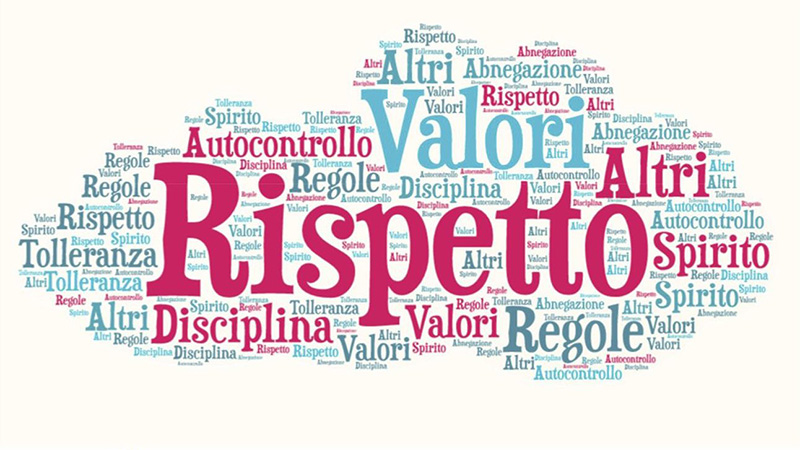
It is uncommon for a consulting firm to have a formal Code of Conduct
and even more unusual to make it public.
Rarer still is enforcing it rigorously. At Whitening we believe our success depends precisely on the ethical standards that define the professionalism we bring to our work.
To belong to Whitening with integrity and ethical consistency il Consulente Whitening nei confronti di qualsiasi Cliente:
- To act with courtesy and respect at all times, without judgement or condescension.
- To deploy every available tool and capability to achieve — and wherever possible exceed — the agreed results for the client, delivering value beyond what is paid for.
- To continuously study, improve and remain professionally prepared in order to maximise benefits for the client — and for themselves — in terms of revenue, profitability and operational stability.
- To maintain absolute confidentiality regarding any sensitive or operational information encountered. Such information is shared only with colleagues when strictly necessary to achieve results, and never with third parties without explicit authorisation.
- To protect personal information entrusted by the client, especially where disclosure could cause reputational damage, embarrassment or legal risk. In such matters, the consultant acts with a level of professional secrecy comparable to legal privilege.
- To remain reliable and punctual, honouring commitments and appointments. In the event of force majeure, the consultant communicates immediately and reschedules without delay.
- Not to abandon a client facing difficult circumstances after promising support. The consultant persists and encourages change when the client wishes to pursue growth.
- 8. Not to withdraw unilaterally from a client relationship due to disagreement over strategy or operational decisions. If the consultant does not agree with the direction chosen by the client, they commit to insisting on the actions they consider professionally sound. Should the client continue to pursue actions the consultant believes to be harmful, the consultant will formally explain their position in writing and remain available to intervene if the client later recognises the error. Under no circumstances will the consultant abandon the client during an active service agreement by ceasing communication or support; the contract will be honoured to the highest professional standard.
- To promote professional ethics within the client organisation, recognising that unethical leadership ultimately creates weak and unstable companies.
- Not to accept payment for services where the consultant believes results have not been delivered. In cases of dissatisfaction, every effort is made to achieve agreed outcomes, including involving additional colleagues or reaching a fair mutual resolution.
- To address unpaid balances arising from dissatisfaction proactively and constructively, meeting the client and resolving the issue honourably for both parties.
- To act in the client’s best interest when interacting with other consulting firms, partners, suppliers or stakeholders.
- When service delivery is handled by another colleague, to do everything possible to ensure the client receives the results purchased.
- To be honest and direct, even in difficult situations, about inefficiencies within the client organisation.
- Not to accept engagements where the consultant believes they cannot provide real value; instead, they involve Whitening resources at any level necessary to achieve results.
- To insist on implementation of agreed training and consultancy actions, ensuring measurable improvements in revenue and profitability.
In relation to the Whitening organisation itself, consultants commit to:
- Mutual support and collaboration, recognising that the group succeeds where individuals succeed together.
- Loyalty, responsibility and respect for agreements and roles.
- Protecting and defending the reputation of Whitening and its colleagues in all professional contexts.
Violating these principles is like issuing a cheque: even if it is not immediately noticed, it will eventually be cashed. The consequences are paid through diminished motivation, reduced effectiveness and a weakened ability to help clients. No one is perfect, and occasional mistakes can happen. What matters is not justifying them, but recognising them, accepting their consequences and committing to continuous improvement. Always.